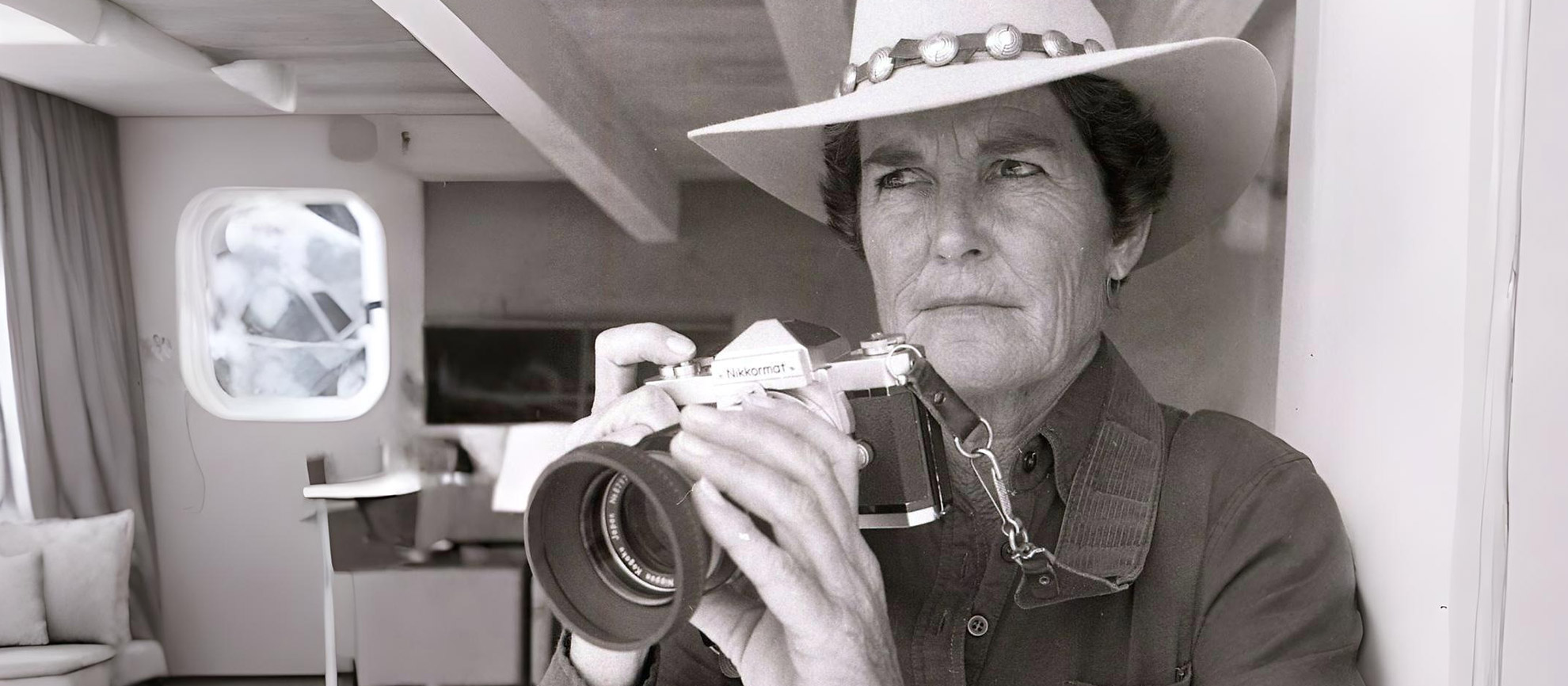
Louise Serpa
Rodeo Photographer
Louise Serpa (1925-2016) stands as one of the most celebrated rodeo photographers in the American Southwest, having captured the raw power, grace, and split-second drama that defined professional rodeo competition throughout her distinguished career. Based in Tucson, Arizona, Serpa spent decades documenting the courage of riders and the magnificent athleticism of bucking horses and bulls, creating a visual legacy that preserves the authentic spirit of this quintessentially Western sport.
Biography
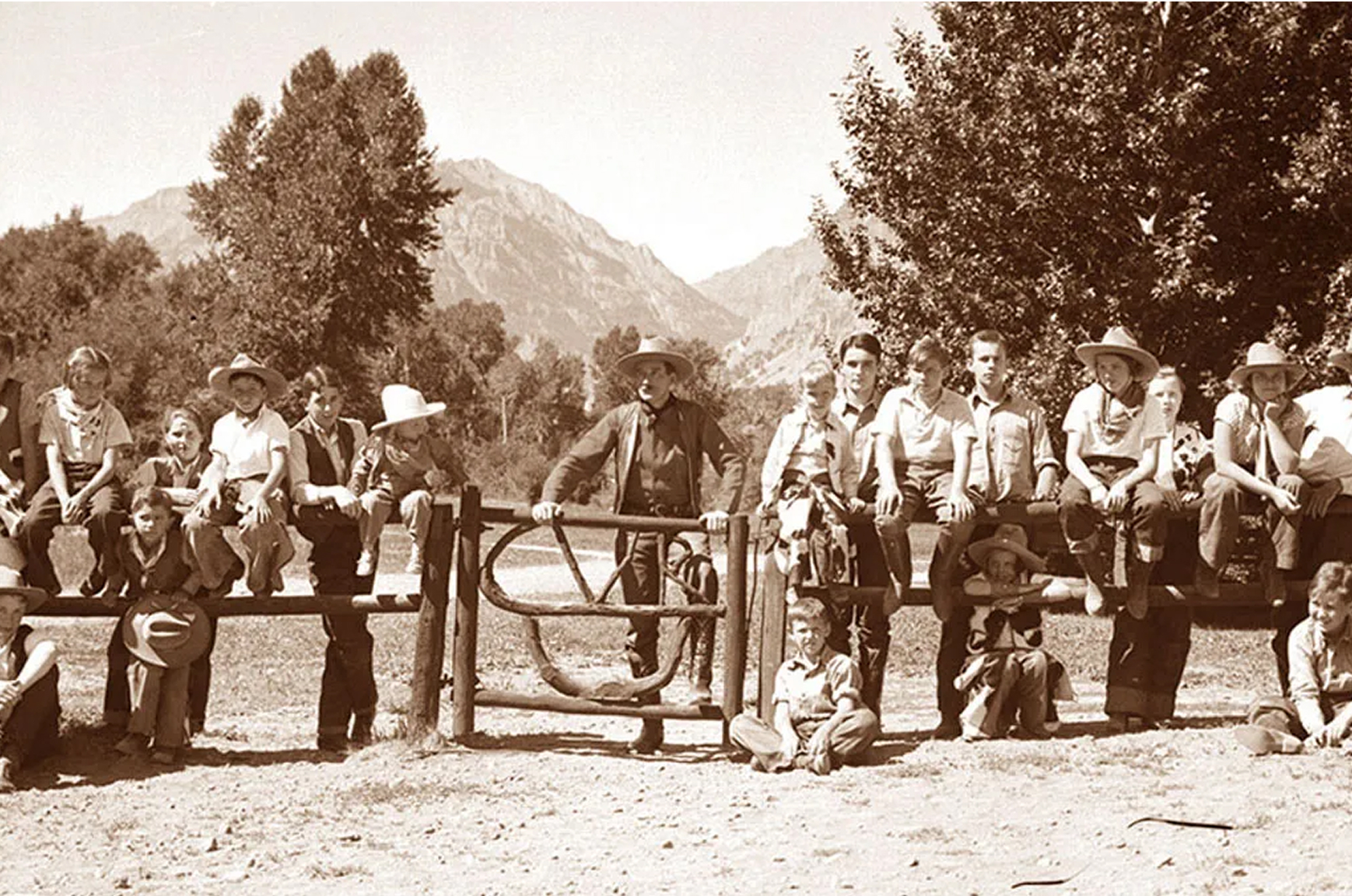
Born in 1925 and raised in Tucson, Louise Serpa discovered her passion for photography while attending her first rodeo as a young woman. What began as fascination with the spectacle quickly evolved into a deep appreciation for the skill, courage, and dedication required to compete at the highest levels of professional rodeo.
During an era when few women worked as professional photographers, particularly in the male-dominated world of rodeo, Serpa carved out a unique niche through her determination and exceptional talent. She made the decision to specialize exclusively in rodeo photography—a challenging field that demanded not only technical expertise but also an intimate understanding of rodeo events, animal behavior, and the split-second timing that separated a good photograph from a great one.
Serpa's work stood apart because she understood rodeo from the inside out. Through years of traveling the professional rodeo circuit, she built relationships with riders, stock contractors, and rodeo officials that allowed her access to moments and perspectives unavailable to casual observers. Her images revealed both the public spectacle and private moments of concentration, determination, and raw emotion that defined rodeo competition.
Artistic Legacy
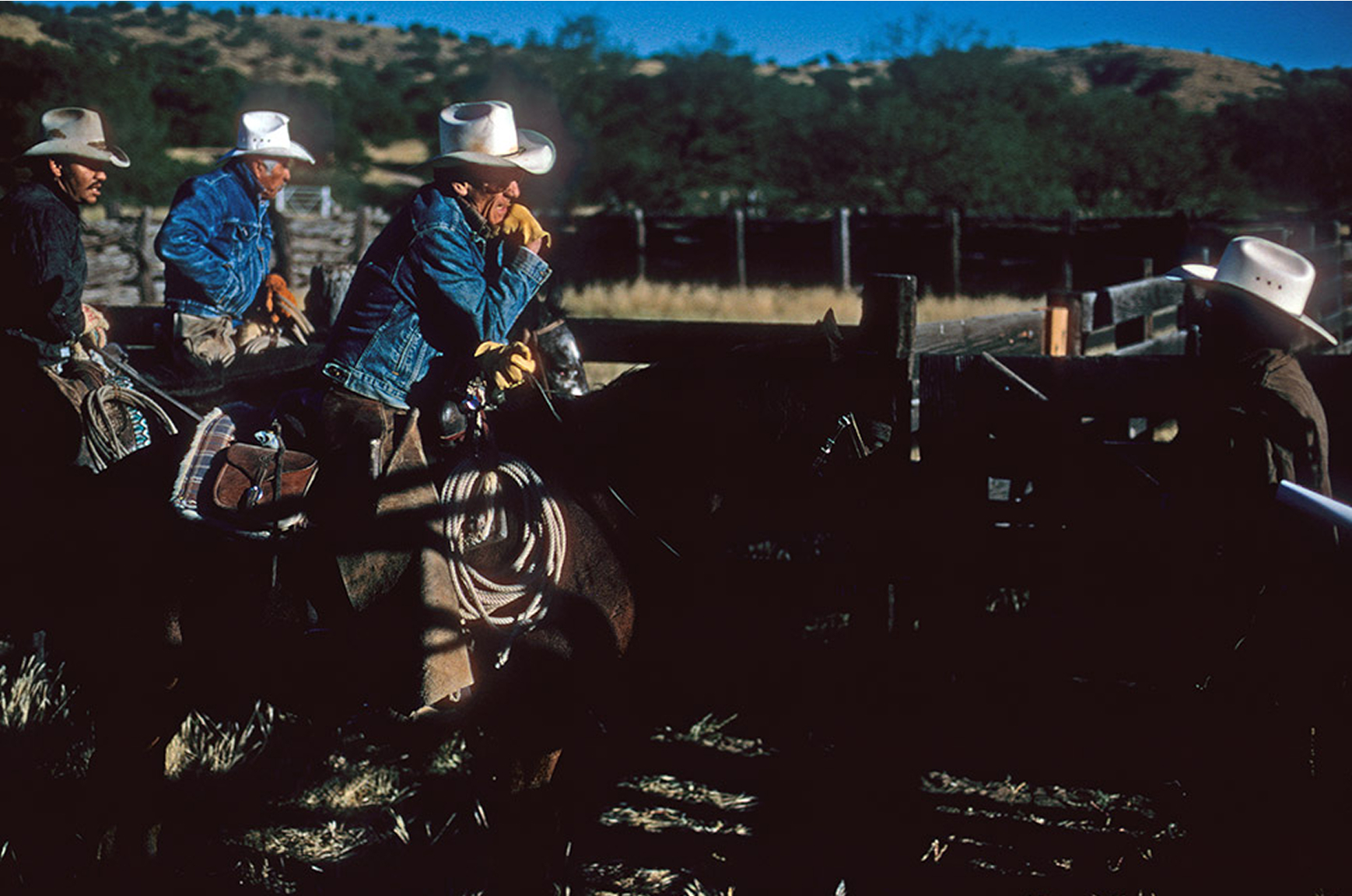
Louise Serpa's photography captured rodeo as both sport and art form. Her images froze moments of incredible athletic achievement while revealing the deeper human drama playing out in the arena. Whether documenting a bronc rider's perfect form during an eight-second ride or the intense concentration of a barrel racer navigating the pattern, Serpa's photographs conveyed the skill, courage, and passion that drove rodeo competitors.
Her technical mastery allowed her to work in the challenging conditions of rodeo arenas—dealing with dust, variable lighting, and the unpredictable movement of both horses and riders. Serpa's ability to anticipate action and position herself for optimal shots resulted in images that captured not just what happened, but the emotion and energy of the moment.
Through her lens, rodeo emerged as a uniquely American art form—a modern expression of the cowboy skills and values that shaped the West, presented with all the drama and excitement of professional competition.
Career Highlights
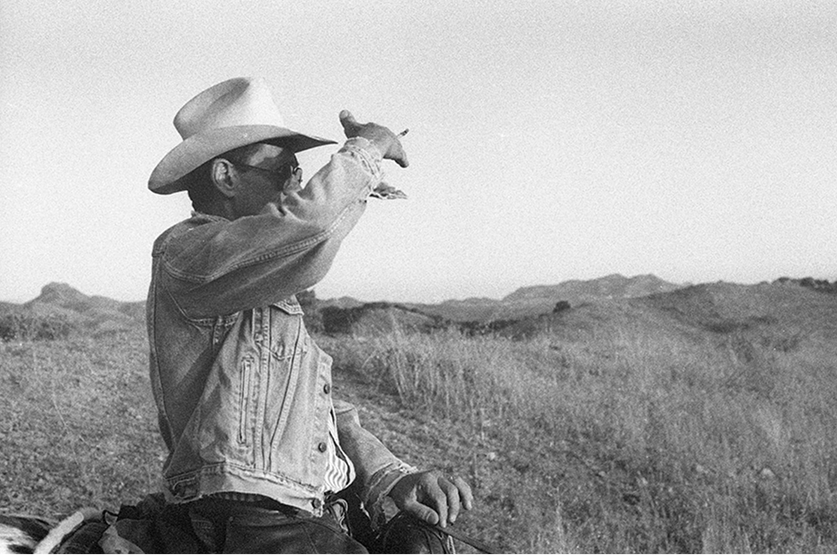
Throughout her career, Serpa documented major rodeo competitions across the Southwest and beyond, building an extensive archive of images that chronicle the evolution of professional rodeo from the mid-20th century through the early 2000s. Her work captured legendary riders, champion horses, and the changing face of rodeo as it evolved from local ranch competitions to major professional sporting events.
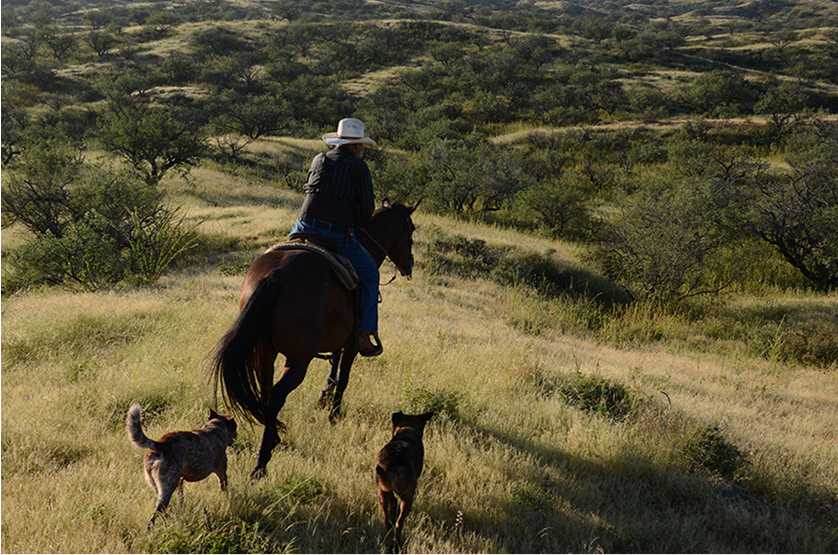
Her series "Behind the Chutes" offered rare glimpses into the preparation, ritual, and quiet moments of concentration that preceded the explosive action in the arena. These intimate portraits revealed the human side of rodeo competition, showing the dedication and professionalism of athletes who competed in one of the world's most demanding sports.
Exhibitions & Recognition
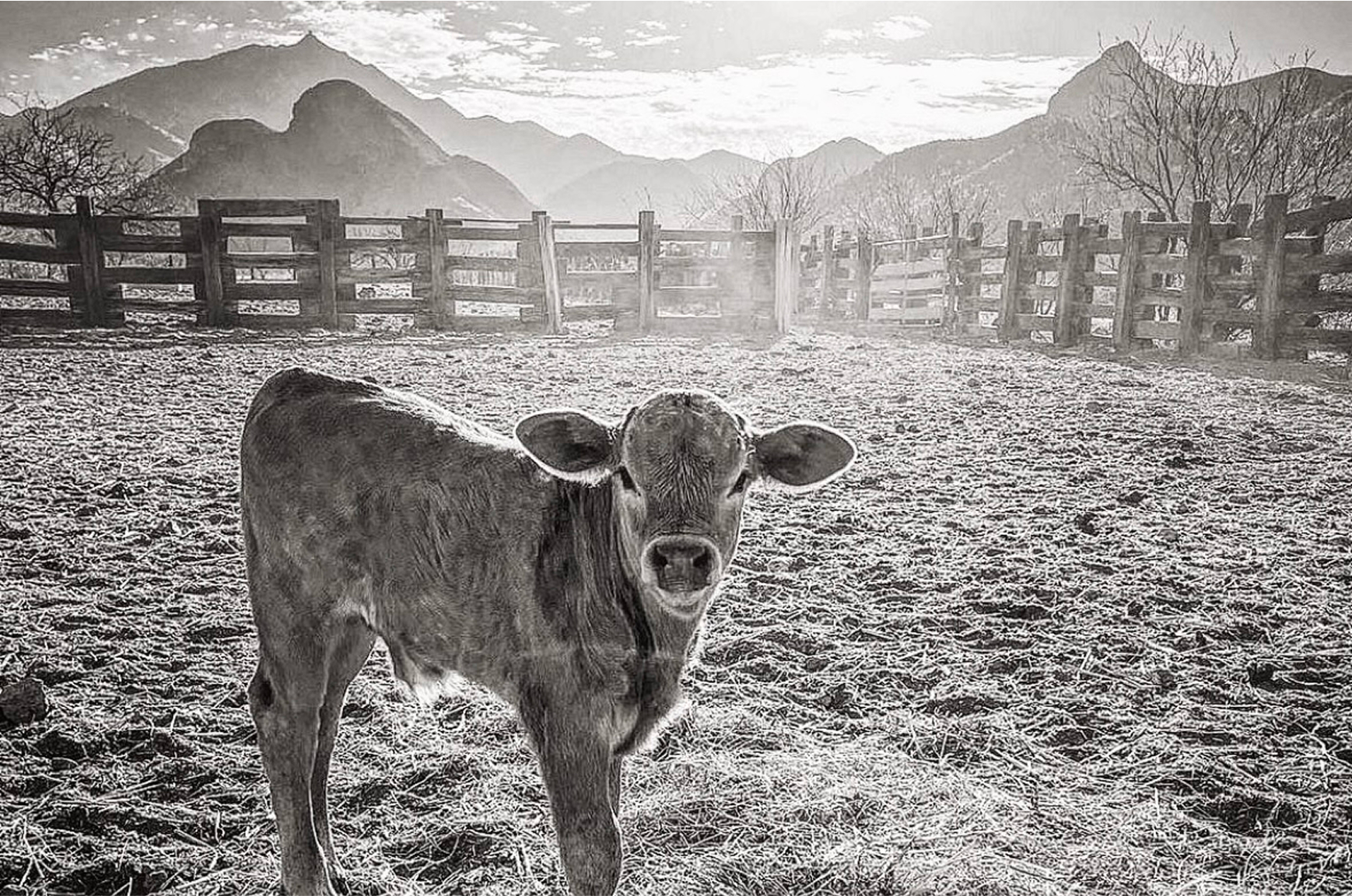
Louise Serpa's work was featured in galleries throughout Arizona and the Southwest, with exhibitions at Western art shows and rodeo museums. Her photographs appeared in professional rodeo publications, Western lifestyle magazines, and sports photography collections throughout her career.
Her work received recognition from the Professional Rodeo Cowboys Association for her contributions to documenting and promoting the sport, and her photographs continue to be collected by rodeo enthusiasts and art collectors throughout the region.
Following her passing in 2016, retrospective exhibitions of her work have honored her contribution to both photography and rodeo culture, including memorial shows at the National Cowboy & Western Heritage Museum and the Arizona Historical Society.
Philosophy & Impact
"Rodeo is the closest thing we have to gladiatorial combat in modern America," Serpa once explained. "But it's not about conquest—it's about partnership, respect, and the pursuit of perfection in an imperfect world. My job is to capture not just the action, but the heart and soul of what makes rodeo so compelling."— Louise Serpa
Serpa saw her role as more than simply documenting rodeo events. She viewed herself as a cultural historian, preserving visual records of a uniquely American sport that embodied the values and skills of the working cowboy. Her photographs serve as both artistic expression and historical documentation, ensuring that future generations can understand and appreciate the artistry and athleticism of professional rodeo.
Honoring Her Legacy
Louise Serpa's pioneering work as a woman in rodeo photography broke barriers and inspired a generation of photographers to document Western culture with authenticity and respect. The "Serpa" room at the Will Rogers Jr. Ranch House is named in her honor, recognizing her significant contribution to preserving and celebrating the heritage of the American West.
Her photographs continue to be exhibited at the Graham Bell Gallery, where her dynamic rodeo images complement the institute's broader celebration of authentic Western culture and serve as inspiration for contemporary artists documenting modern ranch and rodeo life.

Collection & Archive
The Louise Serpa photographic archive represents one of the most comprehensive visual records of American rodeo from the mid-20th century. Her work provides invaluable documentation of the sport's evolution and the athletes who shaped its development.
For information about Louise Serpa's photographic archive and ongoing exhibitions of her work, please contact:
